Wine roads of Istria
Shaped like a bunch of grapes pointing into the Adriatic, Istria seems almost destined for wine. And the peninsula has more than lived up to that promise — it is today Croatia’s most celebrated wine region, producing bottles that compete confidently on the world stage.
The grapes
Istria’s undisputed signature variety is Malvazija Istarska (Malvasia Istriana), a white grape grown on the peninsula’s distinctive terracotta-red soils for centuries. It is remarkably versatile — made in a light, fresh style perfect for warm evenings by the sea, but also in more complex versions using skin contact, amphorae, oak, and even local acacia wood, each technique adding layers of texture and depth. Malvazija is now Croatia’s most internationally recognised grape variety and the star of Istrian wine tourism.
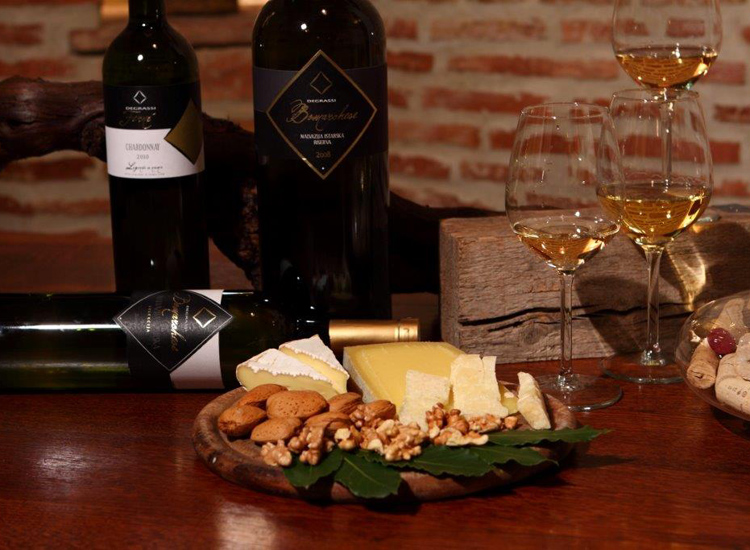
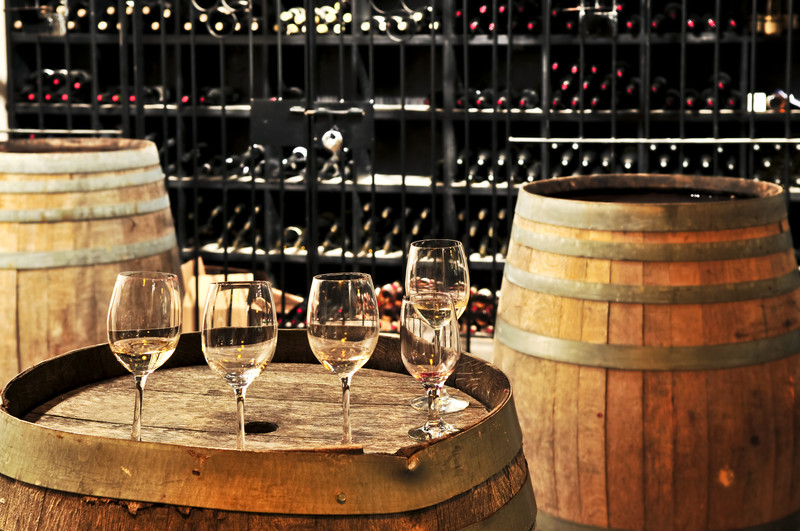
For red wines, Teran is the indigenous answer — a bold, high-acid variety with vivid mulberry and bramble fruit. Producers have found ways to thoughtfully cultivate and harness Teran’s full potential, embracing its tannins to produce fruity, elegant reds that compete on the world stage. Refošk, a close relative, is softer and more approachable. Beyond these natives, Istrian cellars also produce excellent Chardonnay, Merlot, Cabernet Sauvignon, and the rare local white Muškat Momjanski — a variety that evolved over centuries in the village of Momjan near Buje, and now carries its own protected designation of origin.
International recognition
Istrian wine is no longer a regional secret. At the 2025 Decanter World Wine Awards in London — the world’s most prestigious wine competition — Istrian winemakers claimed an impressive 104 medals. Of the 14 gold medals awarded to Croatian wines in total, five went to Istrian Malvazija producers. A platinum medal and 97 points were awarded to San Salvatore Muškat Benvenuti 2021, an outstanding dessert wine from the Benvenuti estate in Kaldir.
Croatian wineries claimed 386 medals in total at Decanter 2025, including 1 platinum, 14 gold, 115 silver, and 256 bronze. Istria accounted for a disproportionate share of that haul.
Among the most consistently awarded producers are Fakin (Motovun), Kozlović (near Buje), Benvenuti (Kaldir), and Cattunar — the latter unique for having all four of Istria’s distinct soil types — red, white, grey, and black — on a single estate, allowing an extraordinary range of expression from the same grape varieties.
The wine roads
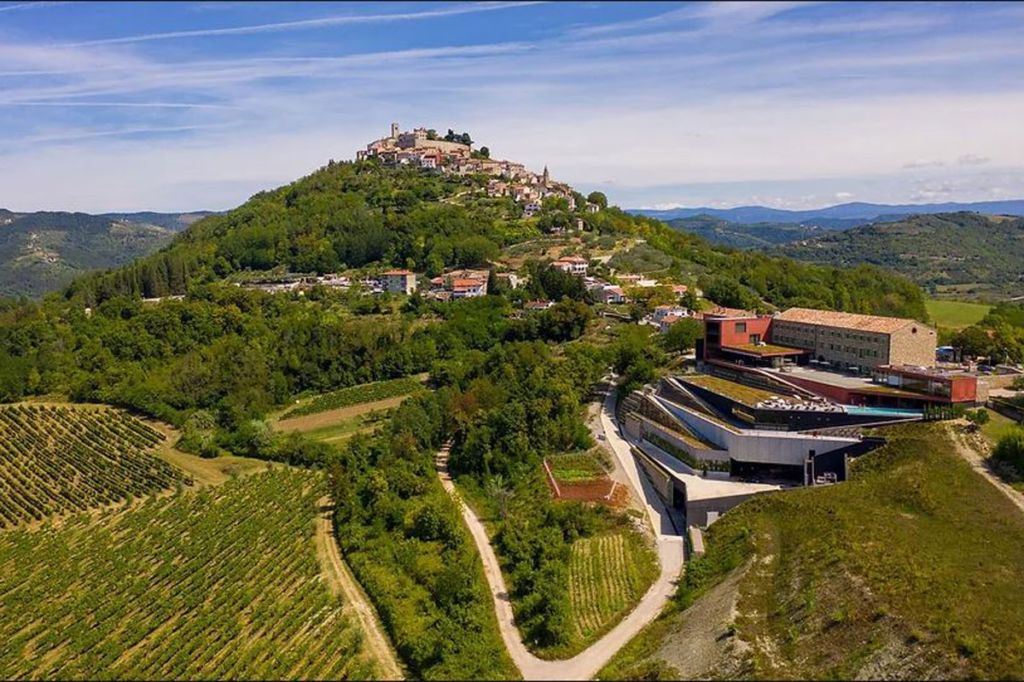
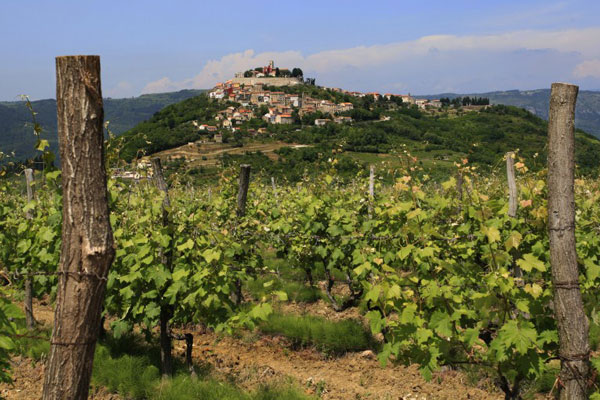
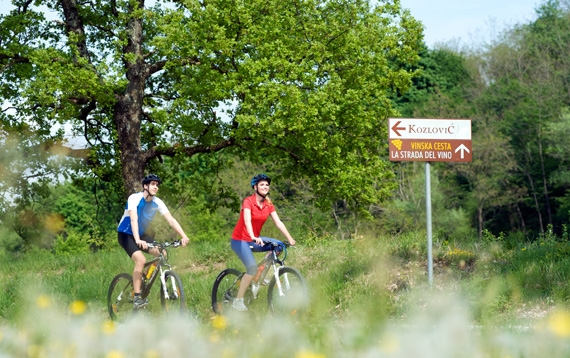
More than 110 winemakers throughout Istria are included in the Wine Roads of Istria network, spread across three wine regions: Western Istria (covering Pula, Rovinj, Poreč, Buje, Umag and Novigrad), Central Istria (Pazin, Motovun and Buzet), and Eastern Istria (Labin and Kastav). Named routes — Bujštine, Poreštine, Buzeštine, Pazinštine, Rovinjštine, and Vodnjanštine — wind through hilltop villages, olive groves, and truffle forests, connecting cellars that range from multi-generational family estates to sleek modern wineries with tasting rooms and accommodation.
Many of the vintners you’ll meet are descendants of farm families who worked the same vineyards for generations. Modern technology and elegant tasting rooms sit alongside deep-rooted tradition — and the prices charged directly at the cellar door are often remarkably fair.
Vinistra
The beating heart of the Istrian wine calendar is Vinistra, the annual wine fair held in Poreč each May — one of the most important wine events in Southeast Europe. The 2026 edition takes place from 8–10 May in Poreč. Vinistra also organises The World of Malvasia, an international competition that draws entries from across the Mediterranean, and has hosted the Concours Mondial de Bruxelles — one of the world’s largest wine competitions — on Croatian soil.
Whether you follow a marked wine road by car, join a guided cellar tour, or simply stop in at a roadside konoba for a glass poured straight from the barrel, a day among Istria’s vineyards is one of the most rewarding ways to experience the peninsula.